The days of credit cards merely being a piece of plastic are over. Now, these instruments are so much more, part of a dynamic digital platform that is intimately connected with how people shop, travel, and manage their money.
This shift from plastic to platform is one of the most important transformations happening in financial services right now. And it’s been driven by changing consumer expectations, new checkout experiences, and by the need to meet the growing gap between what legacy systems can deliver and what modern cardholders now demand.
Credit cards must meet real life requirements
Today’s cardholders expect products that adapt to their financial reality, not that dictate the way they must manage their finances. They want flexible repayments so they can react to unexpected costs. They want rewards that actually make sense to their behaviours, not generic points-based systems. And they want personalisation across the entire experience from application and approval to interest rates, fees, and incentives.
That’s why modern credit cards are becoming financial tools tailored to individuals. The best card programmes don’t take a ‘one-size-fits-all’ approach, but instead offer different cards for different needs – whether that’s everyday spending, travel, business use, or for first-time borrowers who want to build a credit profile.
Future-proof feature sets
New digital features now available through next-generation platforms have moved credit card products into the modern age. Instant digital issuance means consumers no longer have to wait days for a physical card and can start spending immediately with a virtual card. Push provisioning lets them add that card instantly to Apple Pay, Google Pay or any other digital wallet. Temporary virtual cards create single-use numbers for safe online shopping, while. QR-based cards enable contactless payments without physical plastic at all.
Consumers can now track the carbon footprint of their spending, manage subscriptions, personalise their rewards, and access incentives that genuinely drive engagement. Security features have also evolved. Biometric cards that require a fingerprint, numberless cards, dynamic CVVs that constantly change, real-time spending controls, and location-based approvals mean that fraud prevention can be proactive rather than reactive.
Seamless digital experiences are now table stakes
Seamless digital experiences are now an expectation for consumers. They want to be able to apply in-app, get an instant decision, receive their card immediately, manage spending in real-time, and adjust settings without having to waste time on the line to a call centre.
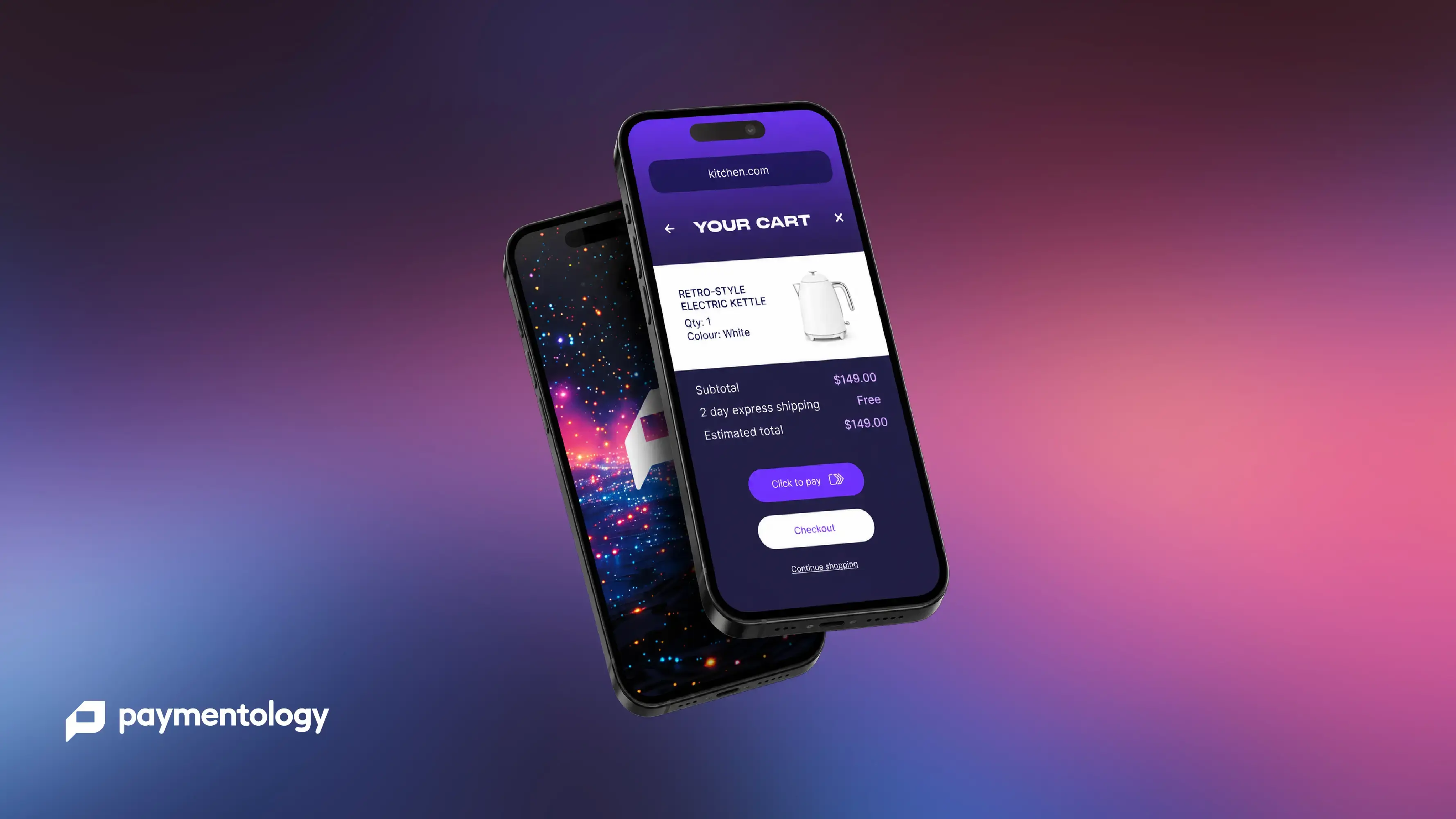
On top of this, one of the biggest shifts driving credit card transformation is what’s happening at the point of purchase. Credit is no longer something people seek out separately, as it’s being offered instantly at the checkout.
Buy Now, Pay Later (BNPL) has changed the game by embedding credit directly into the buying moment. Instead of applying for financing ahead of time, people now see their options exactly when they’re ready to purchase. This frictionless experience has reshaped expectations across the entire credit market.
Behind the scenes, card issuers must meet these challenges. They require card platforms that allow them to launch new features in days. They need rapid configuration so they can tweak terms, rewards, and controls without massive development projects. But legacy platforms can’t meet these needs.
Product convergence
Modern credit cards now combine several products into one. Everyday revolving credit, instalment plans for bigger purchases, and built-in rewards all come in the bundle, and this is considered to be a baseline requirement by consumers.
People want to choose how each individual purchase is paid for. They want instant cashback, bonus categories tailored to their habits, and the freedom to restructure debt when needed. Cards that don’t offer this flexibility increasingly struggle to compete, no matter how attractive the headline rate may look.
At the same time, many cards are now digital-first. They are placed into mobile wallets long before the physical card ever arrives in the post. And for some users, physical plastic cards may never be used at all.
Credit offers growth opportunities
Numerous neobanks and fintech companies have already covered deposits, debit, and prepaid cards, but many are now realising that sustainable growth requires credit products.
Debit is great for engagement, but it’s credit that drives revenue through interest, fees, and higher interchange rates. Credit also changes the nature of the customer relationship. A debit account is transactional, whereas a credit relationship is deeper and far harder for competitors to challenge.
With customers expecting real-time limits, instant instalments, dynamic rewards, and full transparency, these digital-first companies choose cloud-based, API-driven card platforms, helping them to launch in weeks, not months.
Why the credit ledger matters
Credit cards are only as powerful as the ledger system behind them. Debit ledgers track money going in and out. Credit ledgers have to calculate interest, minimum payments, grace periods, instalments, and multiple balance types all at once.
But many legacy systems struggle with these requirements as they were built for debit first and patched to support credit later. They are complex, rigid, and slow the pace of innovation
A modern, purpose-built credit ledger allows issuers to launch flexible products, adjust terms in real-time, and support everything from BNPL-style instalments to revolving balances without patchy workarounds. In combination with cloud-native processing, it becomes possible to manage the entire credit lifecycle inside one agile system.
From product to platform
Credit cards are no longer just a way to borrow. They’re becoming programmable financial platforms that adapt to how people live, shop, and manage money in real-time. The winners in this new era won’t be defined by the design of their plastic cards, but by the strength of the digital platform powering their entire service.
Paymentology's report – The Global Credit Card Shift: Next-Gen Platforms Bypass Legacy Limits – produced in association with Datos Insights, isavailable to download now.